Vietnam E-Visa: Eligibility, Cost and How Long It Lasts
A Vietnam e-visa lets citizens of any country apply online at evisa.gov.vn for a single- or multiple-entry visa valid up to 90 days. It costs $25 for single entry or $50 for multiple entry, takes up to 3 working days to process, and only works at border gates the government has designated for e-visa use.
Most travellers hear “e-visa” and picture something close to a residence permit: apply once, come and go freely, extend it later if plans change. What the Vietnam e-visa actually gives you is narrower and more mechanical — one online application at one government portal, a fixed 90-day cap, a specific list of border gates, and no clear route to extend it once you’re inside the country.
Who can apply for a Vietnam e-visa
Since 15 August 2023, the e-visa has been open to citizens of every country and territory, not a shortlist. That change replaced two earlier resolutions that had limited eligibility to specific nationalities. You still need a passport that doesn’t fall under the categories requiring an inviting or sponsoring agency to apply through the Ministry of Foreign Affairs instead — most tourists and short-term visitors aren’t in those categories.
The condition that catches people out is timing: e-visas are issued only to applicants outside Vietnam, not to foreigners already residing in the country. If you’re already here, leaving the country is the first step before an e-visa application goes anywhere. On the other end, the window opens early — up to 1 year before your planned entry date.
How long a Vietnam e-visa lasts
An e-visa is valid for a maximum of 90 days, and you choose single-entry or multiple-entry when you apply. That 90-day cap comes from Law 23/2023/QH15, which sets the same limit for e-visas as for tourist (DL) and conference (HN) visas. Whichever you choose, its validity must end at least 30 days before your passport itself expires.
Applying through evisa.gov.vn
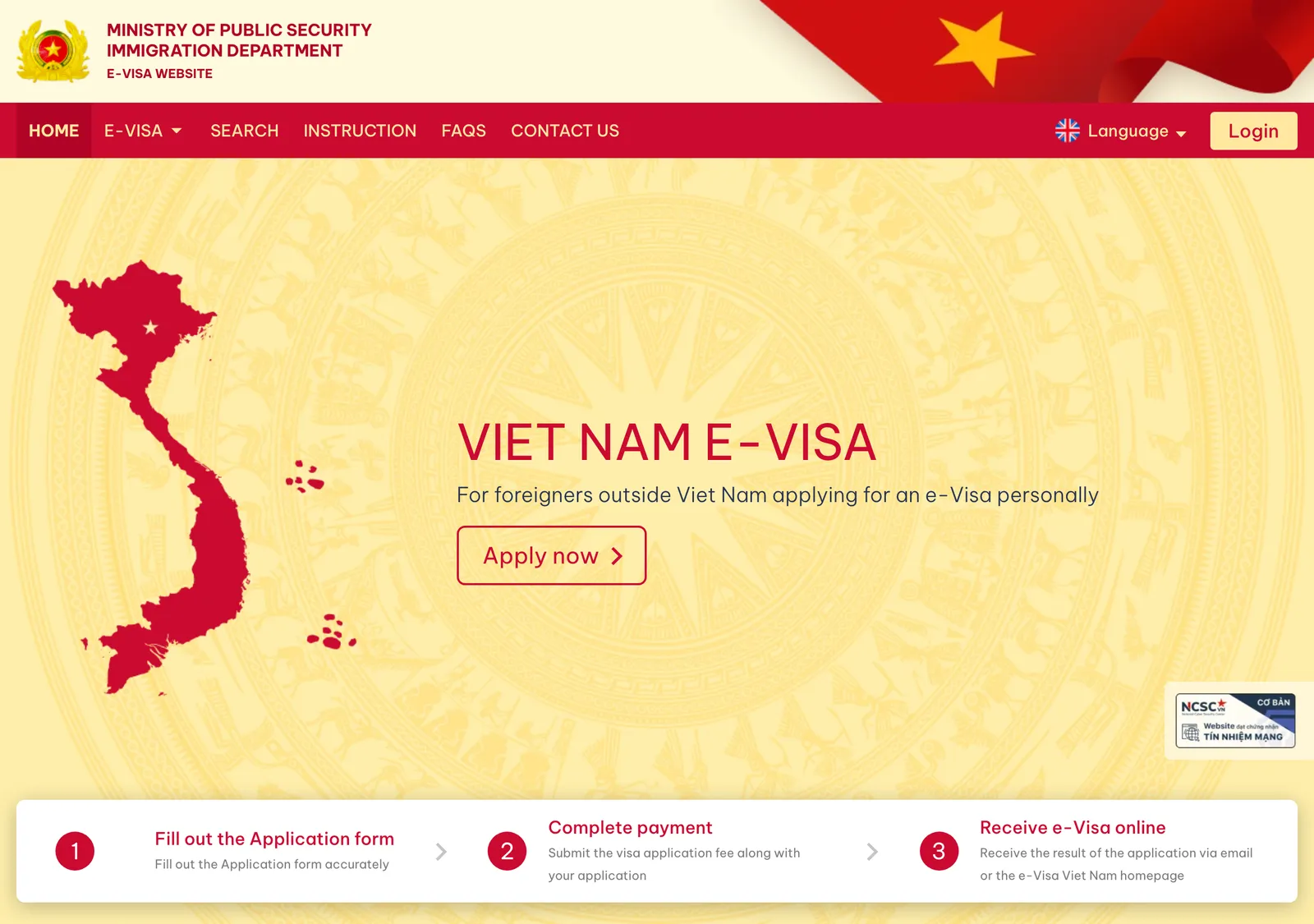
You apply for the e-visa directly through evisa.gov.vn. Once your e-visa is granted, print it and carry it together with your passport when you enter Vietnam.
Official fee

The e-visa costs $25 for single entry or $50 for multiple entry, paid online through the portal’s own payment gateway. That payment is non-refundable if your application is refused, so don’t file until your documents are ready. The portal’s own procedure page still cites two now-superseded fee circulars as its legal basis, but the amount matches the current rule: Circular 28/2026/TT-BTC, in force since 1 April 2026, sets the same $25 single-entry and $50 multiple-entry (up to 90 days) fee. For how this fee compares with other visa and residency costs, see my breakdown of Vietnam immigration fees in 2026.
Processing time
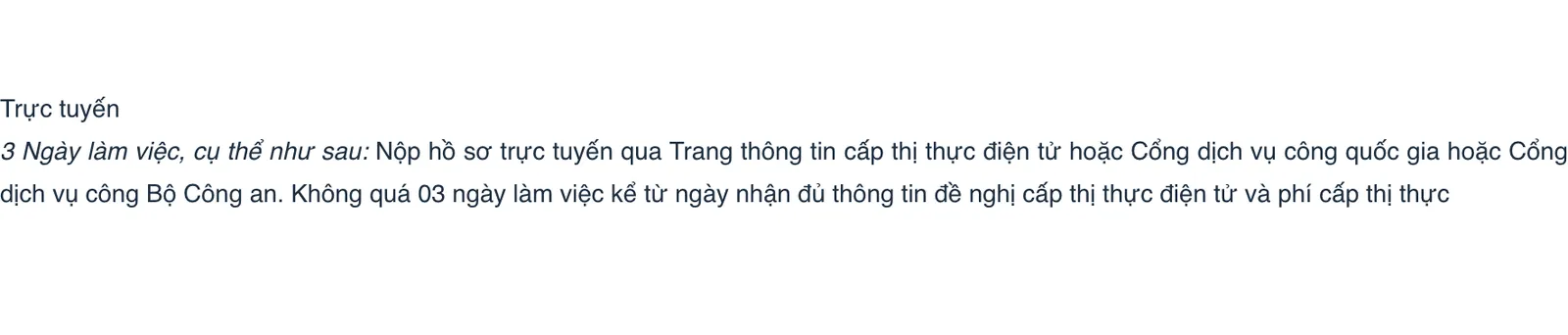
Filed online, an e-visa takes no more than 3 working days to process, counted from the date the immigration authority receives your complete application and fee — not from the date you submit it if something is missing.
Which border gates you can use
An e-visa only works at the international border gates the government has designated for e-visa holders — you can’t use just any crossing. The portal’s current list names 15 air gates, 27 land gates and 39 sea gates. That list traces back to Resolution 127/NQ-CP, effective 15 August 2023, later expanded by Resolution 389/NQ-CP, effective 2 December 2025. You don’t have to leave through the same gate you entered — exiting via a different designated gate is fine. For in-person immigration matters once you’re in Da Nang, see the Da Nang immigration office guide.
E-visa vs visa exemption
Visa exemption is a separate route that depends on your nationality. Two of the exemption programmes give 45 days: one covers a specific list of countries for 45 days from entry, for any purpose, running 15 March 2025 through 14 March 2028, and a separate list of European countries gets 45 days but only for tourism, running 15 August 2025 through 14 August 2028. Other nationalities have their own exemption terms, which I list in the Vietnam visa exemption guide. If your passport isn’t covered, or you need up to 90 days or multiple entries, the e-visa is open to every nationality.
Extending your stay past the e-visa
The portal doesn’t treat this as an “extension” of the e-visa itself. Its own guidance describes the in-country option as applying for a brand-new visa, sponsored by an organisation or individual in Vietnam. If you want to stay in Vietnam longer than your e-visa allows, your sponsor is the one who files that new application, not you. My step-by-step guide covers the process: how to extend a visa in Da Nang. If you’re weighing whether to handle it yourself or pay someone, see visa extension agent vs DIY in Vietnam. And if you’re heading toward a longer-term stay altogether, a temporary residence card is the next step up from repeat visas.
For more on Vietnam’s visa system, browse the visa guides hub.
Common questions
Can citizens of any country apply for a Vietnam e-visa?
Yes — since 15 August 2023 the e-visa has been open to every nationality, not a shortlist. You still need to be outside Vietnam and hold a passport that doesn't fall under the sponsored-visa categories in the Immigration Law.
Can I apply for an e-visa while I'm already in Vietnam?
No. E-visas are only issued to applicants outside the country; if you're already inside Vietnam, you'd need to exit before filing.
How far ahead can I submit my e-visa application?
Up to 1 year before your planned entry date, so you can lock it in before booking flights.
Will I get my money back if my e-visa application is refused?
No. The fee is paid up front through the portal's payment gateway and is non-refundable if the visa is not granted.
Do I have to leave through the same border gate I entered?
No. You can enter and exit through different gates, as long as both are on the government's designated e-visa list.
What if I need to stay longer than my e-visa allows?
The portal doesn't extend e-visas as such — staying longer means your sponsor in Vietnam files a new visa application, not you filing an extension yourself.
Is an e-visa the same thing as visa exemption?
No. Visa exemption depends on your nationality: the two newest programmes cover named lists of countries for 45 days from entry. The e-visa is open to every nationality, costs $25 or $50, and runs up to 90 days. My [visa exemption guide](/visa/vietnam-visa-exemption/) lists who is covered and for how long.
Do I need a printed copy of my e-visa, or does a phone screenshot work?
You need a printed copy. Official guidance says to print your e-visa and carry it with your valid passport when you enter Vietnam.
General information checked against the sources listed above, not legal advice for your situation. Rules and office practice change; confirm with the immigration office or a licensed adviser before you act. How these guides are checked: about Da Nang Oi.