Can You Work Remotely in Vietnam on a Tourist Visa? What the Law Says
Vietnamese law requires your activities to match your visa purpose, reserves DL for tourism and LĐ1 and LĐ2 for work, and fines unpermitted activity. No Vietnamese law or official guidance addresses remote work for a foreign employer on a tourist visa, e-visa or visa exemption — that question stays open.
On this page
“Hoạt động tại Việt Nam phải phù hợp với mục đích nhập cảnh.” A foreigner who enters, exits, transits, or resides in Vietnam must carry out activities in Vietnam that match the purpose of their entry. That’s the rule the question of remote work on a tourist visa turns on — and it’s where Vietnamese law stops.
Vietnamese law sets out general rules: your activities must match your visa’s purpose; a foreign worker working in Vietnam generally needs a work permit; and engaging in unpermitted activity is fined. No Vietnamese law or official guidance found for this guide addresses remote work for a foreign employer or overseas clients specifically. That question is open, not answered either way.
DL, LĐ1, LĐ2: what each visa symbol is for
The visa symbol on your visa states what you were let into Vietnam to do.
- DL is issued to a person entering Vietnam for tourism.
- LĐ1 is issued to a foreigner working in Vietnam who has confirmation of being exempt from the work-permit requirement, unless a treaty says otherwise.
- LĐ2 is issued to a foreigner working in Vietnam who is required to hold a work permit.
Nothing in these three definitions describes working remotely for an employer or clients located outside Vietnam.
Can a tourist visa become a work visa without leaving the country?
A visa’s purpose generally cannot be changed. Two exceptions exist: being invited or sponsored to work by an organisation while holding a work permit or a confirmation of work-permit exemption, and entering on an e-visa while holding that same work permit or exemption confirmation. Both exceptions require a work permit or an exemption confirmation. Neither mentions remote work for a foreign company.
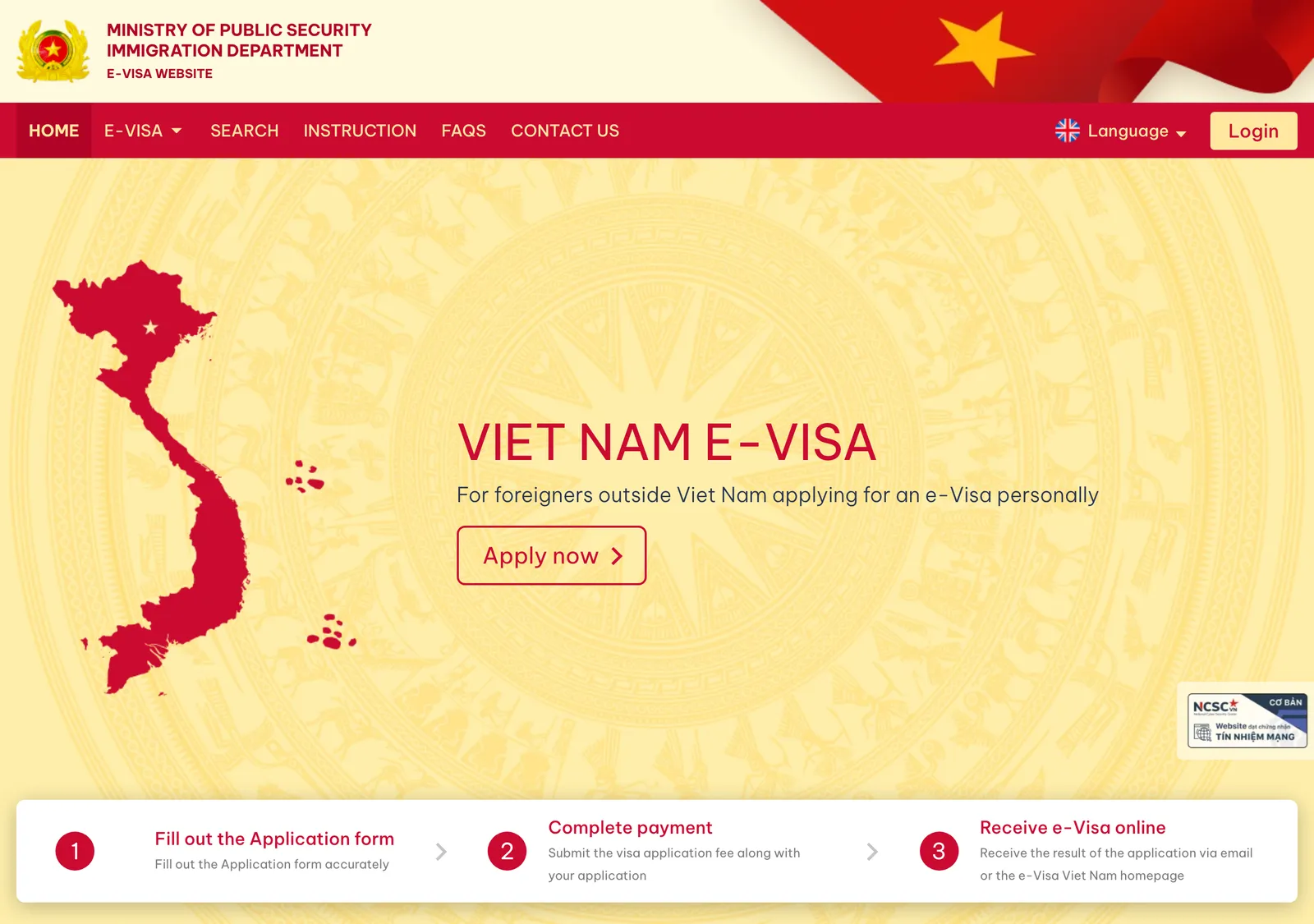
Who counts as a “foreign worker working in Vietnam”
The Labour Code applies to “a foreign worker working in Vietnam” as one of the groups within its scope, and defines that person as someone who must hold a work permit issued by a competent Vietnamese state authority, with exceptions the Code itself sets out. A decree currently in force adds detail: a foreign worker working in Vietnam is a foreign citizen who enters to work in a listed position, under one of several forms — among them performing a labour contract, an intra-company transfer, a contractual service supplier, offering services for sale, or being posted from a foreign organisation to work in Vietnam. The list does not mention remote work for an employer or clients outside Vietnam.
What’s fined, and how much
Two different penalty provisions are relevant here, and they cover different conduct:
- Entering and practising a profession or trade, or engaging in another activity in Vietnam, without permission from a competent Vietnamese authority: fined 15,000,000 to 20,000,000 VND.
- Engaging, after entry, in activity inconsistent with the purpose or programme declared when applying for the visa, temporary residence card, or a stay extension: fined 20,000,000 to 25,000,000 VND.
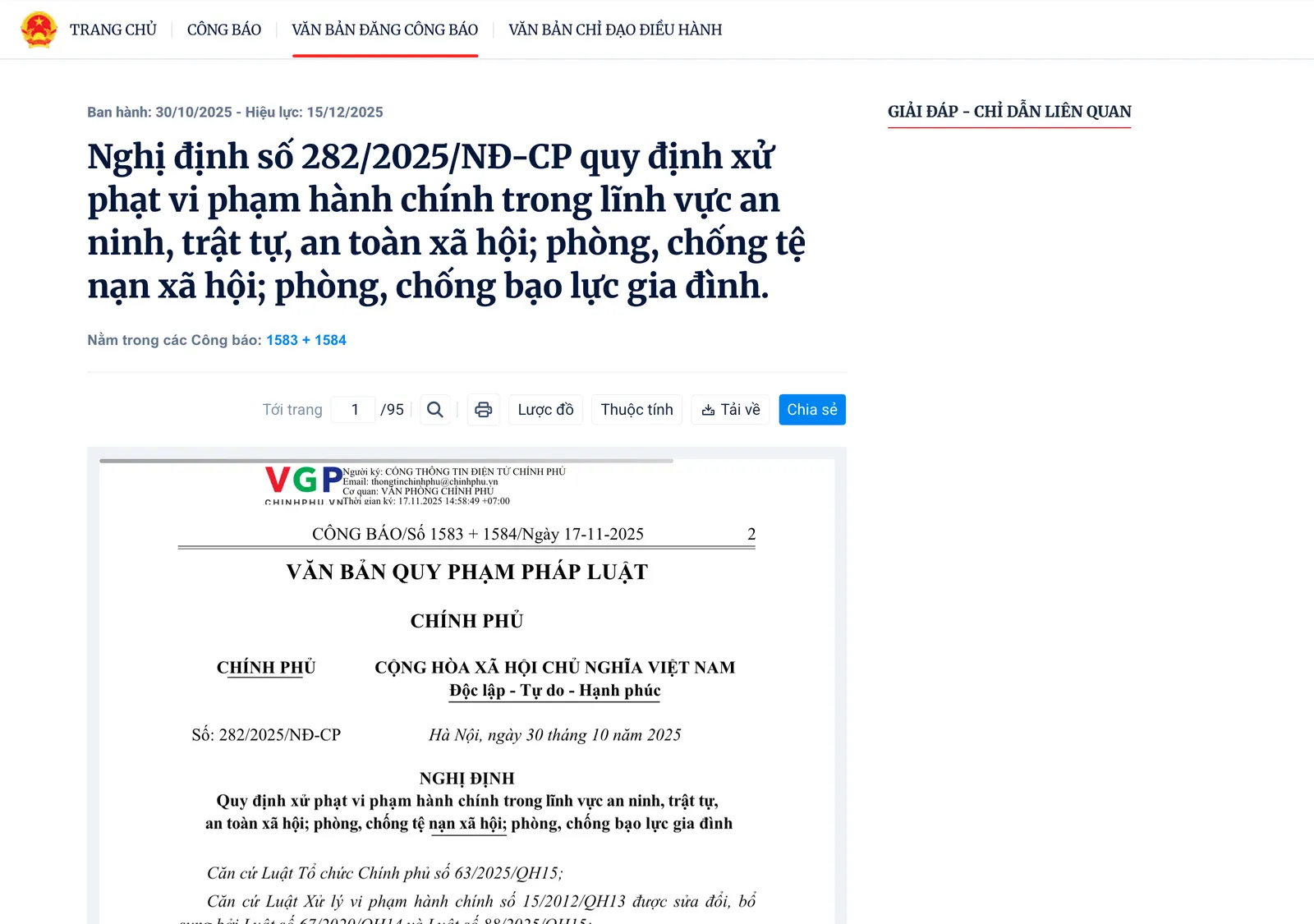
These fine amounts apply to an individual; an organisation found responsible for the same violation is fined at double the individual rate.
Whether deportation is applied as an additional penalty is decided based on the nature, extent, and consequences of the violation, the offender, and any mitigating or aggravating circumstances.
What no official source addresses
Whether working remotely for a company or clients located entirely outside Vietnam falls under either fine — the one for unpermitted activity or the one for a mismatched visa purpose — is not settled by any Vietnamese law, decree, or official guidance found for this guide. None of the definitions above mentions remote work for an employer or clients outside the country.
Whether Vietnam offers a dedicated visa category for remote workers or “digital nomads” is also not settled by any government or official-document source found for this guide. Law 118/2025/QH15 added a new symbol, UĐ1, for high-quality digital technology industry personnel and for cases given preferential treatment under a law or a National Assembly resolution, valid for up to 5 years. That definition does not mention remote work for a foreign employer, and no source found for this guide sets out who qualifies as that personnel.
Working remotely from Vietnam is a separate question from your tax residency status.
Related routes
If you already have work lined up with a Vietnamese employer, the sponsor-and-work-permit route above is the one the law sets out — see Work Permit Vietnam for Foreigners: Who Needs One and Who’s Exempt. For the entry routes themselves, see Vietnam E-Visa: Eligibility, Cost and How Long It Lasts and Vietnam Visa Exemption Countries in 2026: Who Gets How Many Days. For how a fine under this same decree plays out in a different situation, see Vietnam Visa Overstay Fine: How Much You’ll Pay.
More visa guides: the visa hub.
Not confirmed: Whether working remotely for a company or clients located entirely outside Vietnam, while present on a tourist visa (DL), an e-visa, or a visa exemption, falls under the fine for unpermitted activity or the one for a mismatched visa purpose is not settled by any Vietnamese law, decree, or official guidance found for this guide. The rule that activities must match your visa's purpose, the DL and LĐ1 and LĐ2 definitions, the Labour Code's definition of a foreign worker working in Vietnam, and a decree's list of forms of working in Vietnam do not mention remote work for an employer or clients outside Vietnam. Whether Vietnam offers a dedicated visa category for remote workers or "digital nomads" is also not settled by any government or official-document source found for this guide.
Common questions
Can I work remotely from Vietnam on a tourist visa (DL)?
No Vietnamese law or official guidance found for this guide addresses this specifically. The law does require your activities to match your visa's purpose, and unpermitted activity is fined, but no source states whether remote work for a foreign employer falls under either rule.
What's the difference between a DL visa and an LĐ1 or LĐ2 visa?
DL is issued to a person entering Vietnam for tourism. LĐ1 is issued to a foreigner working in Vietnam who is confirmed exempt from the work-permit requirement; LĐ2 is issued to a foreigner working in Vietnam who is required to hold a work permit.
Can I switch my tourist visa to a work visa without leaving Vietnam?
A visa's purpose generally cannot be changed. The exceptions require being invited or sponsored to work while holding a work permit or an exemption confirmation, or holding an e-visa plus that same work permit or exemption confirmation.
What's the fine for working without permission in Vietnam?
Practising a profession or trade, or engaging in another activity, without permission from a competent authority is fined 15,000,000 to 20,000,000 VND. A separate fine of 20,000,000 to 25,000,000 VND applies to activity inconsistent with your declared visa purpose.
Can I be deported for working remotely on a tourist visa?
Whether deportation is applied as an additional penalty is decided based on the nature, extent and consequences of the violation, the offender, and any mitigating or aggravating circumstances. No source found for this guide addresses remote work specifically.
Does Vietnam have a digital nomad visa?
No government or official-document source found for this guide describes a dedicated remote-worker or "digital nomad" visa category. The nearest new symbol is UĐ1, issued to high-quality digital technology industry personnel and to cases given preferential treatment under a law or a National Assembly resolution, valid for up to 5 years. Its definition does not mention remote work for a foreign employer.
Does working remotely from Vietnam affect my tax residency?
That's a separate question from your visa status, covered in a separate guide on the tax-residency test.
Next in Visas & residence
General information checked against the sources listed above, not legal advice for your situation. Rules and office practice change; confirm with the immigration office or a licensed adviser before you act. See how guides are checked.
Spotted an error? Report it.